This page has been automatically translated.
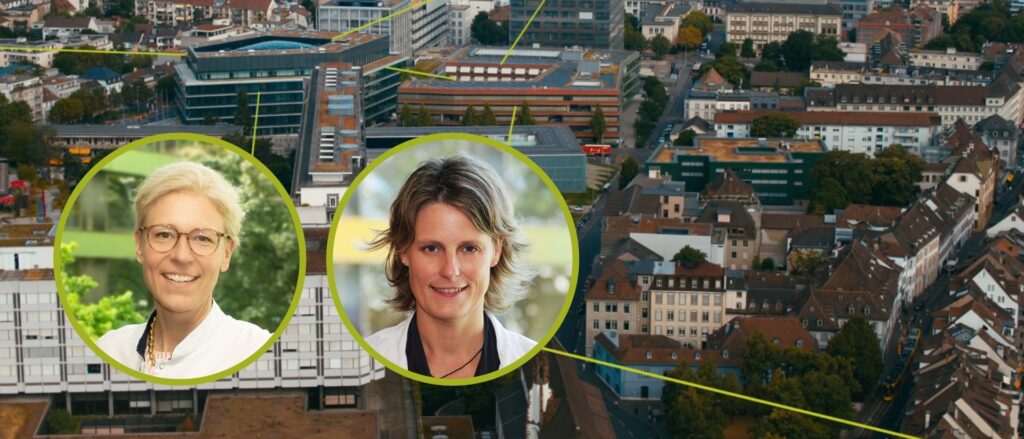
The Swiss National Science Foundation (SNSF) is supporting two research projects at the University Children's Hospital Basel (UKBB) that are dedicated to central questions of paediatric cancer research. The projects of StephanieGros and ChristinaSchindera shed light on different but closely related aspects of childhood cancer. They range from biological disease mechanisms to the long-term effects on growth and health. The FPromotion wThe award recognises the high scientific quality of research at UKBB and its importance for the further development of paediatric medicine.
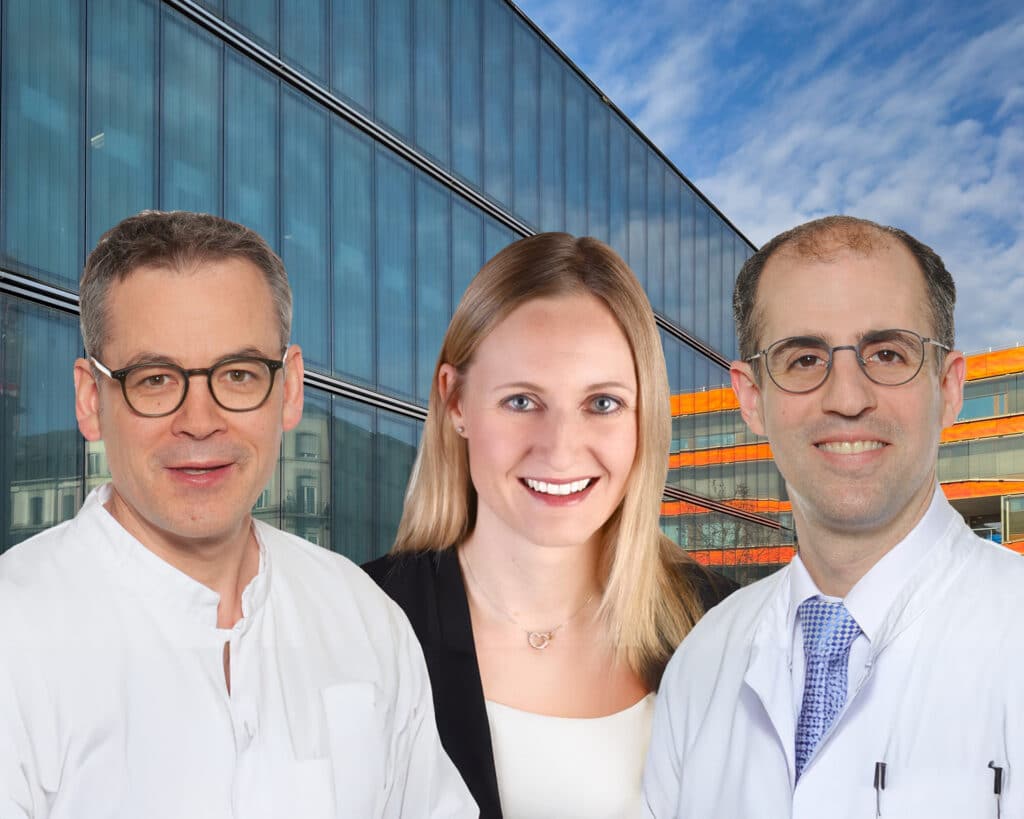
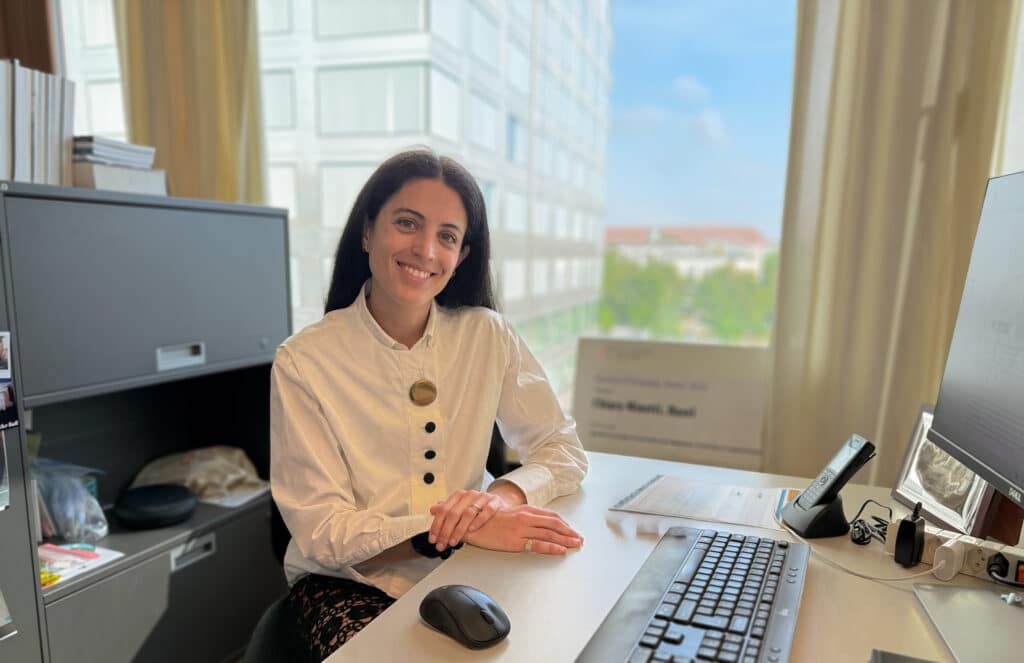
The Swiss National Science Foundation (SNSF) has approved two research projects in the field of paediatric oncology at UKBB for funding. The funding was awarded to Prof. Stephanie Gros, MD, Head of Paediatric Surgery, and PD Dr Christina Schindera, PhD, Senior Consultant Paediatric Oncology.
SNSF grants are regarded as important proof of quality: they are awarded in a competitive selection process and recognise projects that are scientifically convincing and highly relevant to society. The fact that two projects from UKBB in the field of paediatric cancer research were considered underlines the strength and thematic breadth of research at the site.
Height and weight are key indicators of children's health. During and after childhood cancer treatment, there are often problems such as weight loss, excessive weight gain, slowed growth or reduced final height after growth is complete. This can be due to poor nutritional status during treatment or side effects of the therapies, reducing quality of life and contributing to complications such as diabetes or heart problems. At the same time, not enough is known about how the nutritional status of children with cancer and cancer survivors changes over time and who is particularly affected.
This is where the SNSF-funded project comes in: It utilises data on height and weight that is routinely collected in hospitals. By linking this data with the Swiss Childhood Cancer Registry, the Swiss Childhood Cancer Survivor Study and national health statistics, the development of affected children can be analysed from birth, during treatment and afterwards. Over 12,000 patients and survivors from Switzerland, Portugal and Slovenia are included - one of the largest studies of its kind in the world. It analyses how weight and height change over time, which patterns occur and which factors - such as cancer treatments and lifestyle - influence them. The aim is to find out which children are at risk, when in life it is particularly critical and whether the problems are temporary or permanent.
Together with international partners, the findings will also be translated into medical guidelines for the monitoring and treatment of underweight, overweight and obesity in survivors. More knowledge about nutritional status after childhood cancer should help specialists to provide more targeted support to those affected, prevent complications and improve quality of life in the long term.
Neuroblastoma is the most common cancer in children outside the brain and causes around 15% of cancer-related deaths. Despite intensive treatments such as chemotherapy, surgery, radiotherapy and immunotherapy, the prognosis for severe cases is often poor. At the same time, very young infants with advanced tumours sometimes regress spontaneously, while advanced tumours in older children continue to grow. It remains unclear why this is the case - age-dependent immune factors could play a decisive role here.
The project is therefore investigating whether the development of the immune system in very young children plays a role in the spontaneous regression of neuroblastoma. Finding out which factors lead to tumour regression in infants could help to develop new treatment options for older children with advanced neuroblastoma.
The focus is on characterising the molecular and immunological landscape of spontaneously regressive compared to aggressive neuroblastomas (using modern single-cell analyses, among other things) and investigating the influence of age-specific immune cells with the help of complex 3D neuroblastoma models. The project is interdisciplinary and works with partners such as DBM, USB and DBSSE-ETH in Basel.
Even though the two research projects have different focuses, they share a central concern: to understand childhood cancers more holistically - from biological disease mechanisms to long-term effects on growth and health. While one project investigates the causes of different tumour progressions, the other provides important insights into the long-term effects of cancer and its treatment on children's bodies. Taken together, both projects contribute to a better understanding of disease progression and the further development of care for those affected beyond acute therapies
The two SNSF-funded projects are embedded in a broad network of university, national and international partner institutions. They strengthen the UKBB's position as a University Centre for Paediatric and Surgical Research and emphasise the close connection between clinical activity and science.
The Medgate Kids Line provides quick and uncomplicated medical advice if your child is unwell. The medical team of our partner Medgate is available to you by telephone around the clock.
For emergencies abroad: Call the emergency number of your health insurance company. You will find this number on your health insurance card.
More information: On the Page of the emergency ward you will find everything you need to know about behaviour in emergencies, typical childhood illnesses and waiting times.
144 Outpatient clinic
145 Tox Info Suisse (Poisonings)
117 Police
118 Fire brigade
Which topic would you like to contact us about?
For praise or criticism, please use the Feedback form.